
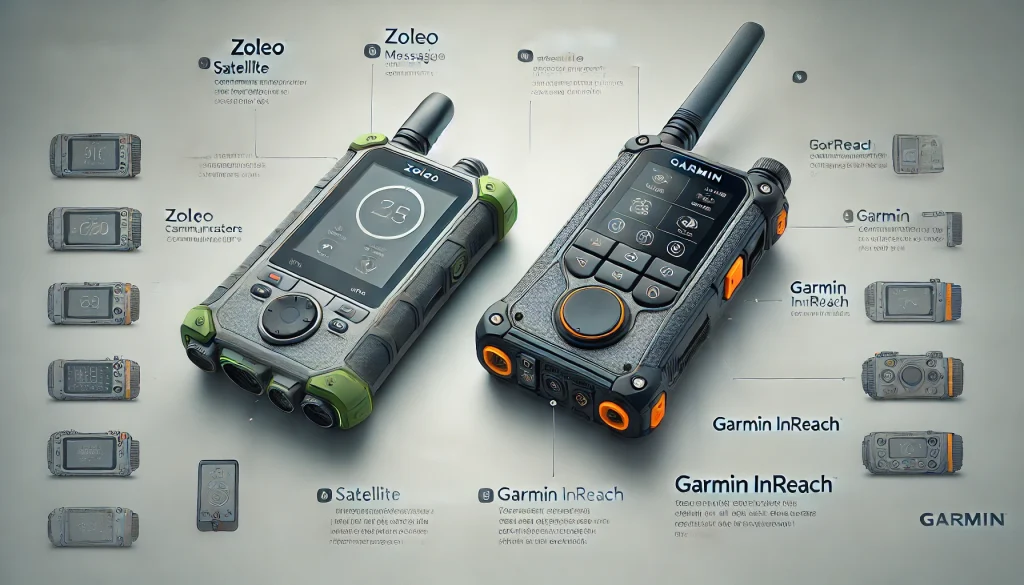
Two satellite devices that demonstrate the reliability and functionality required for outdoor communication are the Zoleo and InReach satellite communication devices. As an expert in hunting and firearms with four decades of experience, I understand the importance of maintaining communication even in the most remote locations. This article will explore the offerings of each device, highlighting their unique features and how they can enhance your hunting experience. A side-by-side comparison of the two devices will help you make an informed decision when you’re out in the field.
Key Takeaways:
- Zoleo and InReach are both satellite communicators that offer reliable and easy communication for hunters.
- While Zoleo is more cost-effective and has a longer battery life, InReach has a larger network coverage and additional features.
- When choosing between Zoleo and InReach, consider your budget, needs, and usage patterns in the field.
What is Zoleo?
Zoleo is the world’s first satellite communicator and is among the best satellite phones for outdoor hunting, significantly enhancing outdoor safety and communication in remote areas, especially during emergency scenarios.
Its capability to provide satellite communication in locations without cellular or Wi-Fi signals makes it an invaluable tool for hunters. Additionally, Zoleo is user-friendly and affordable, with affordable pricing, making it an excellent choice for various outdoor activities.
It stands out as one of the top satellite communication devices for emergency situations. With its tri-network connectivity system, Zoleo ensures optimal signal receptivity and supports check-in messages, contributing to outdoor safety.
How Does Zoleo Work?
Zoleo utilizes satellite communication and mobile connectivity to enable users to send and receive SMS messages, even in the most remote backcountry areas. It relies on the latest satellite networks, particularly the Iridium network, which consists of dozens of low Earth orbit satellites that provide global coverage, even in regions lacking cellular service, ensuring a seamless backcountry experience.
Users benefit from premium features such as real-time location tracking, enhancing security for adventurers and those who care about them. Zoleo is designed to seamlessly connect with smartphones, including iPhones, allowing users to access various features—such as two-way SMS, tracking, and SOS—through an interface that resembles their phone’s regular messaging app, integrating smoothly with adventure gear.
What Are the Features of Zoleo?
Zoleo offers robust group messaging capabilities, impressive battery life, and a waterproof design, making it ideal for outdoor adventures and enhancing its value as a satellite communicator.
Its battery can last for days, surpassing many competitors in longevity. Built to endure harsh weather conditions, Zoleo outperforms numerous other satellite devices in terms of battery life and durability, making it suitable for extended backcountry experiences.
This unique combination of features positions it as a leading choice for satellite communication needs.
What Are the Benefits of Zoleo for Hunters?
Zoleo offers several benefits for hunters, including enhanced outdoor safety and dependable communication in emergency situations, supported by its integration with satellite networks like Iridium and accessories like Goal Zero, Nitecore, and Anker battery packs.
The device features real-time location tracking, enabling hunters to share their GPS coordinates with friends or family, which significantly improves safety during remote excursions. Its emergency messaging capability allows users to call for help in areas lacking cellular signal, which can be crucial in the wilderness.
Additionally, Zoleo seamlessly integrates into existing adventure gear, making it easy to incorporate into setups without adding extra bulk—an important consideration for those navigating remote or rugged terrain.
What is InReach?
InReach is a series of satellite communicators from Garmin, including models such as the inReach Messenger and inReach Mini 2, designed to provide reliable communication in remote areas where cellular networks are unavailable.
These devices enhance outdoor safety by enabling users to send check-in messages, access location tracking services, and call for help in emergencies.
inReach products feature user-friendly interfaces and durable designs, making them well-suited for outdoor enthusiasts, including hunters who require dependable communication tools while navigating the wilderness, often enhancing their outdoor adventures.
How Does inReach Work?
inReach devices operate via satellite communication, utilizing the Iridium network to deliver global coverage for messaging and tracking, ensuring users stay connected regardless of their location, enhancing their backcountry experience.
These devices enable two-way texting, allowing users to share their GPS location in real time with friends and family. Additionally, inReach devices connect with the Earthmate app to provide access to maps and planning tools, assist with outdoor navigation in remote areas, and enhance safety by facilitating SOS communication during emergencies, supported by services like GEOS for emergency response coordination.
They also offer route tracking and update sharing, enabling users to focus on their outdoor activities without the worry of tracking their location.
What Are the Features of InReach?
InReach devices offer several noteworthy features, including robust messaging options, a long battery life, and a waterproof design, making them well-suited for extreme outdoor conditions.
These devices enable users to send and receive messages even when cellular networks are unavailable, ensuring that communication remains intact during remote outings. The battery performance is impressive, with many models capable of lasting up to two weeks on a single charge, making them ideal for multi-day trips.
Additionally, durability is a key feature, as their rugged construction allows them to withstand drops, bumps, and exposure to water without failure.
When comparing inReach devices with Zoleo, inReach is slightly more reliable in extreme conditions for satellite-based messaging. However, Zoleo offers its own advantages, particularly its seamless integration with cellular networks, making it a practical solution for users who do not venture into highly isolated areas, as shown in performance comparisons between the devices.
What Are the Benefits of InReach for Hunters?
InReach devices offer hunters numerous benefits that enhance outdoor safety and ensure reliable communication in challenging backcountry environments.
These devices include emergency messaging features that enable hunters to quickly contact rescue services in case of an emergency. Additionally, the real-time tracking capabilities allow hunters to share their precise location with friends and family, adding an extra layer of security through effective communication and location services.
This tracking feature ensures that hunters can be located promptly if necessary. Furthermore, InReach devices can connect with other adventure gear, thereby improving the overall hunting experience.
Comparison between Zoleo and InReach
The comparison between Zoleo and InReach is based on their price, features, and various performance metrics as satellite communicators designed for outdoor use.
Cost
Cost is a crucial factor to consider when choosing between Zoleo and InReach, as both satellite communicators offer different features and pricing structures tailored to various budgets.
Zoleo typically provides the lowest monthly price due to its basic subscription plans, while InReach employs a tiered pricing model that offers users more options. The initial costs for both devices can vary significantly, with Zoleo usually having a lower purchase price.
It is essential to closely examine what each pricing model includes. Zoleo offers a straightforward pay-as-you-go plan, which is ideal for infrequent users, while InReach may deliver better value for those who anticipate using their satellite communicator more frequently and require advanced features.
Ultimately, the decision will depend on individual user needs and expected usage frequency.
Size and Weight
Size and weight are crucial factors for outdoor adventurers when comparing Zoleo and InReach, as these features significantly impact portability during backcountry trips.
A lightweight device can make a substantial difference when hiking for extended hours or navigating difficult terrain, where every ounce counts.
The Zoleo is often praised for its smaller footprint and lighter weight, allowing it to be easily attached to a backpack or carried in a pocket without adding significant bulk.
In contrast, the InReach is heavier but offers a sturdier build, which some users may prefer for its ruggedness.
Hunters may find that the decision between the two devices reflects a balance between convenience and performance, ensuring they remain connected while maintaining mobility in the wilderness.
Network Coverage
The network coverage capabilities of Zoleo and InReach are crucial for satellite phone users operating in remote areas, as reliable satellite communication is essential for ensuring safe operations and coordination among individuals.
Hunters, in particular, benefit significantly from the satellite networks provided by these services. Zoleo offers extensive coverage by utilizing multiple satellite networks, allowing for worldwide communication regardless of a user’s latitude or longitude.
In contrast, InReach specifically connects via the Iridium satellite system, which is renowned for its ability to maintain connections in some of the world’s most challenging environments. This capability is especially important for users in dense forests, mountainous regions, or remote wilderness areas where traditional cellular communication is unavailable.
The ability to send messages and receive weather updates can be a lifesaver for users hunting in these locations, helping them to stay safe and informed.
Battery Life
Battery life is a crucial factor when comparing Zoleo, InReach, inReach Messenger, and inReach Mini 2, especially since outdoor adventures and backcountry trips often last for days without access to charging facilities. This aspect should be considered alongside the unpredictable nature of outdoor activities, where every hour of communication capability is vital.
In practice, the Zoleo performs well in battery life tests, lasting several days of continuous use under moderate to heavy conditions. While InReach may offer similar performance, it benefits from energy-efficient satellite communication technology, making it more effective in demanding environments.
Ultimately, the decision between these devices will depend on individual usage expectations and the specific requirements of each trip.
Additional Features
The additional features of Zoleo, InReach, and Garmin significantly influence a hunter’s purchasing decision by enhancing the overall functionality of satellite communicators in challenging environments.
Both devices offer group messaging, which helps hunters stay connected with their companions, ensuring that everyone remains informed and can coordinate effectively. The SOS functions provide hunters with a reliable signal in case of emergencies, offering peace of mind should an unexpected situation arise.
Furthermore, connectivity with other adventure devices, such as GPS and mapping tools, allows Zoleo and InReach to assist hunters in navigating difficult terrains. These features promote both safety and collaboration, enabling hunters to track their game with confidence, knowing that communication resources are readily available.
Which One Should You Choose?
The distinction between Zoleo and InReach lies in the specific needs and preferences of hunters, as both satellite communicators offer outdoor safety communications for remote areas.
Tips for Using Satellite Communicators in the Field
Here are some essential tips for using satellite communicators, such as Zoleo, InReach, inReach Messenger, and inReach Mini 2, in outdoor settings to maximize their effectiveness and ensure safety while exploring the wilderness.
1. Have a Backup Plan
The most crucial advice for satellite communicators is to always have a backup plan in case of device failure or loss, which is essential for ensuring outdoor safety while hunting.
Alternatives for communication, such as traditional signaling devices, can be vital in emergency situations. Incorporating tools like whistles or signal mirrors, in addition to satellite communicators, can enhance preparedness for outdoor activities.
Planning specific routes with fellow travelers in advance can establish expectations and improve safety. This preparation ensures that if something goes wrong, the group can efficiently regroup or signal one another.
Maintaining multiple forms of communication is a key aspect of outdoor safety and can significantly contribute to the success of the expedition.
2. Familiarize Yourself with the Device
Before embarking on an adventure, it’s essential to understand how your satellite communicator works and what features it offers, as your ability to use it effectively in an emergency relies on your familiarity with the device.
You should be aware of its fundamental capabilities, such as messaging, which allows you to inform friends and family that you are safe or to request rescue services even in areas without cell phone coverage.
Additionally, tracking capabilities enable others to know your location and follow your journey. Emergency functions are the most critical features of these devices, and it is advisable to practice using them so you can confidently operate them in a genuine emergency.
Familiarizing yourself with your satellite communicator and its functionalities can significantly enhance your safety while enjoying the outdoors.
3. Keep Your Device Charged
Maintaining a charged satellite communicator is essential for continuous communication and outdoor safety, particularly during extended hunting trips. A reliable power source, such as a battery pack from Goal Zero, Nitecore, or Anker, significantly impacts one’s ability to stay connected and navigate safely in remote areas.
Utilizing battery packs from reputable brands such as Goal Zero, Nitecore, or Anker can provide the extra power needed to keep devices operational throughout the trip. In addition, implementing effective battery management strategies—such as disabling non-essential features and apps—can help extend battery life while in use.
Regularly checking battery status and having a backup charging option not only ensures reliability but also offers peace of mind during challenging outdoor excursions.
4. Use the SOS Feature Responsibly
The SOS feature on satellite communicators must be used responsibly and only in genuine emergency situations to prevent misuse and ensure that assistance is delivered promptly to those who truly need it.
Adventurers embarking on outdoor excursions should understand when it is appropriate to activate the SOS signal. Misuse of SOS signals can result in delayed rescues and divert resources away from individuals who genuinely require assistance.
Practicing responsible usage of the SOS feature fosters a safety culture among outdoor adventurers, allowing authorities to prioritize real emergencies more effectively.
By treating SOS signals with the seriousness they deserve, individuals can reduce overall risk and ensure help is available when it is truly needed, ultimately making outdoor activities safer for everyone.
5. Communicate Clearly and Concisely
Effective communication with satellite communicators in the field necessitates short and clear messages, as the information exchanged is often critical. This is particularly important in remote areas where connectivity is limited, and every word counts.
Users should recognize that concise messages are more effective and should strive to keep their communications succinct and straightforward. Whenever possible, employing standard phrases and avoiding technical jargon can enhance understanding among team members.
Moreover, since miscommunication can often occur in stressful situations, speaking calmly and slowly can further facilitate clarity.
Frequently Asked Questions
What is the difference between Zoleo and Inreach?
Zoleo and Inreach are two popular satellite communicators designed for outdoor activities such as hunting and hiking. The main difference between them is that Zoleo uses the Iridium Global satellite network while Inreach uses the Globalstar satellite network.
Which one has better coverage, Zoleo or Inreach?
Both Zoleo and Inreach offer global coverage, but Zoleo has an edge in terms of coverage as it uses the Iridium satellite network which has a larger and more reliable coverage compared to Globalstar.
Which one has a longer battery life, Zoleo or Inreach?
In terms of battery life, Zoleo has a clear advantage as it can last up to 200 hours on standby mode, while Inreach has a battery life of up to 100 hours on standby mode.
Can I send and receive text messages with both Zoleo and Inreach?
Yes, both Zoleo and InReach allow you to send and receive SMS messaging, emails, and even social media posts using their respective apps, which are compatible with devices like iPhone for seamless communication.
Are there any additional fees for using Zoleo or Inreach?
Both Zoleo and Inreach require a subscription plan for their services, but Zoleo also offers a pay-per-use option for occasional users which may be more cost-effective.
Which one is better for hunting and outdoor activities, Zoleo or Inreach?
Both Zoleo and Inreach are excellent choices for outdoor activities, but Zoleo’s longer battery life and better coverage make it the preferred option for hunters and outdoor enthusiasts who may venture into remote areas with limited cell reception.